
Whatever it is, the way you tell your story online can make all the difference.
Make it stand out.
What You'll Learn
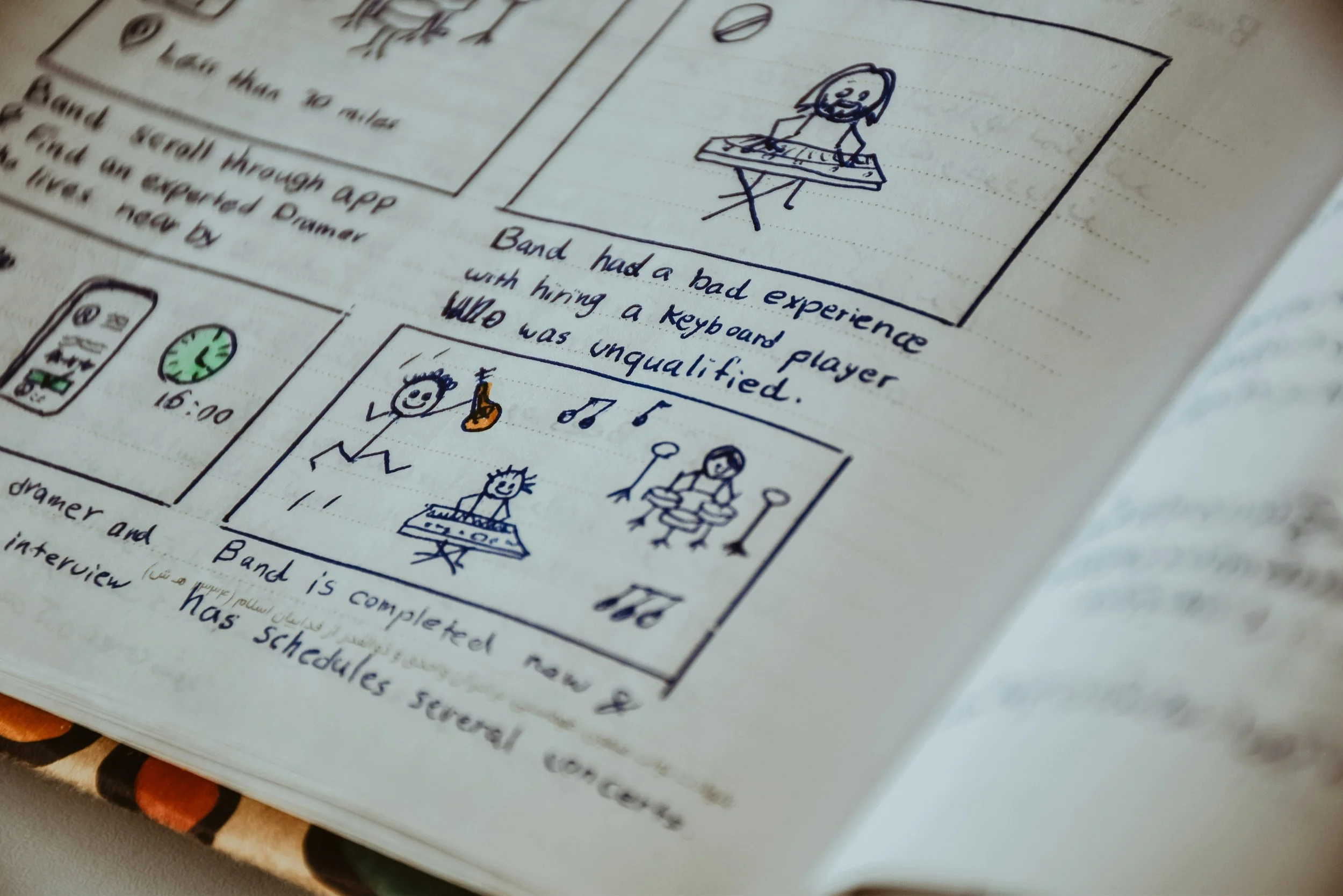
Course 01Storytelling + building a story Board
Telling a story about the environment means understanding how to connect people emotionally to issues like climate change, conservation, and ecosystems through compelling visuals and real-life examples. You will also learn how to create a storyboard and use visuals effectively to engage and connect with your audience.
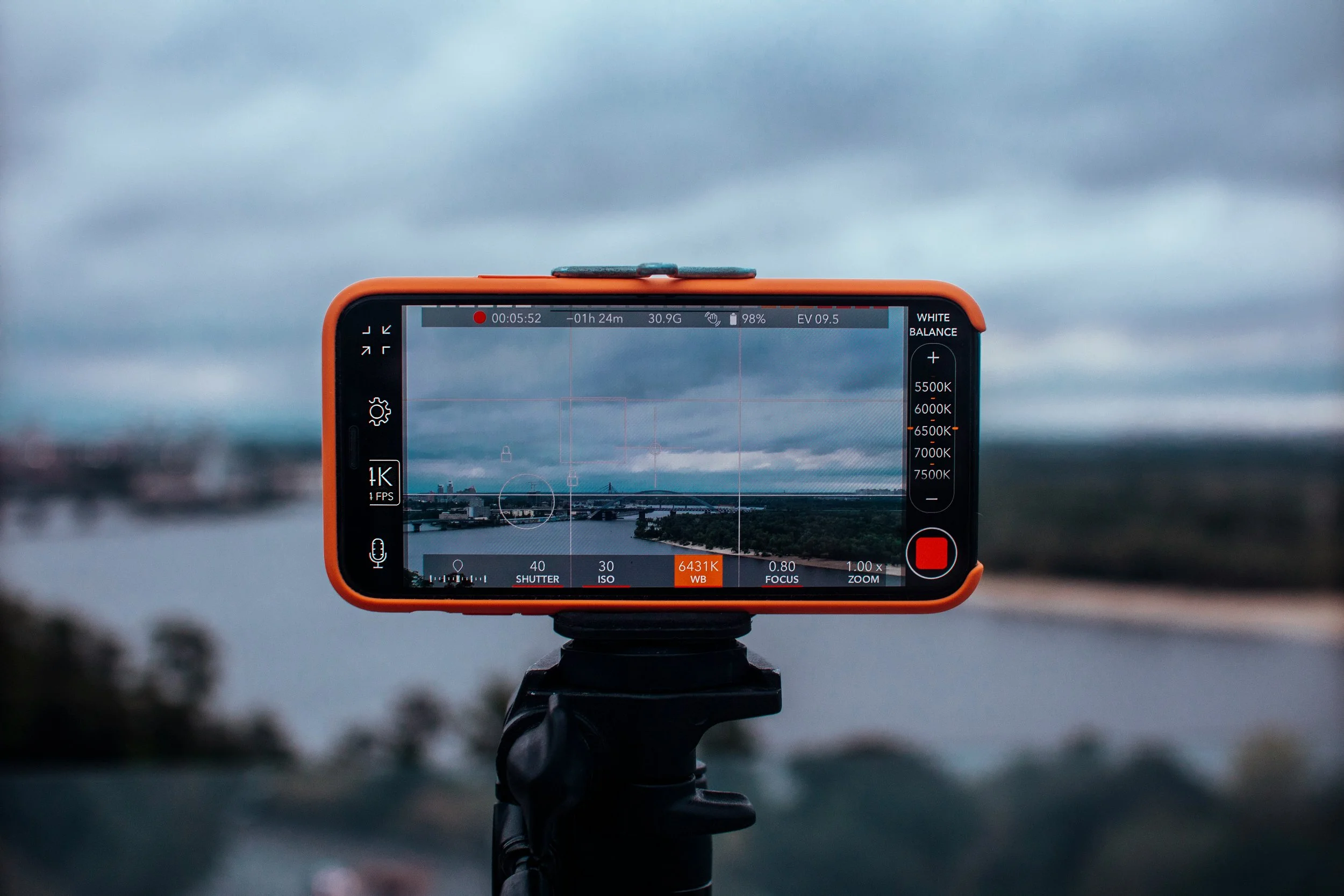
Course 02Technicals
Learning the fundamentals of documentary filmmaking, such as framing and shot composition, will help elevate and strengthen your story. These techniques allow you to visually guide the audience’s attention and make your message more impactful, while also gaining terminology to work in the field.
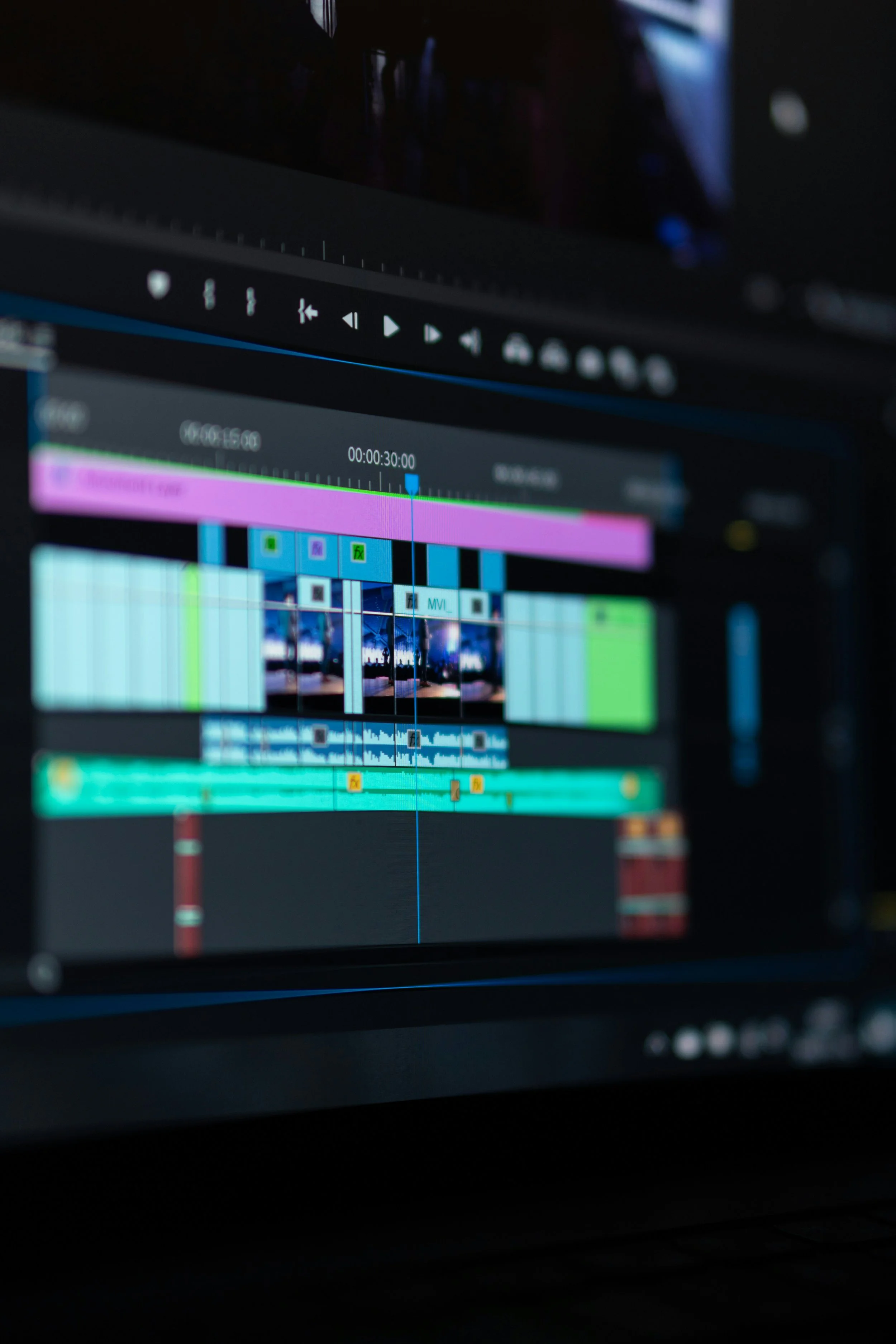
Course 03Editing
Once the story is laid out you will work with social media experts to consolidate your story and information into 1-3 minute videos thus learning how to catch and hold your viewers attention.
Course 04Showcase
Discover how to analyze workflows, identify inefficiencies, and implement smarter systems. This course helps you create processes that actually work, for a team or just for yourself.
Meet Our Instructors
-
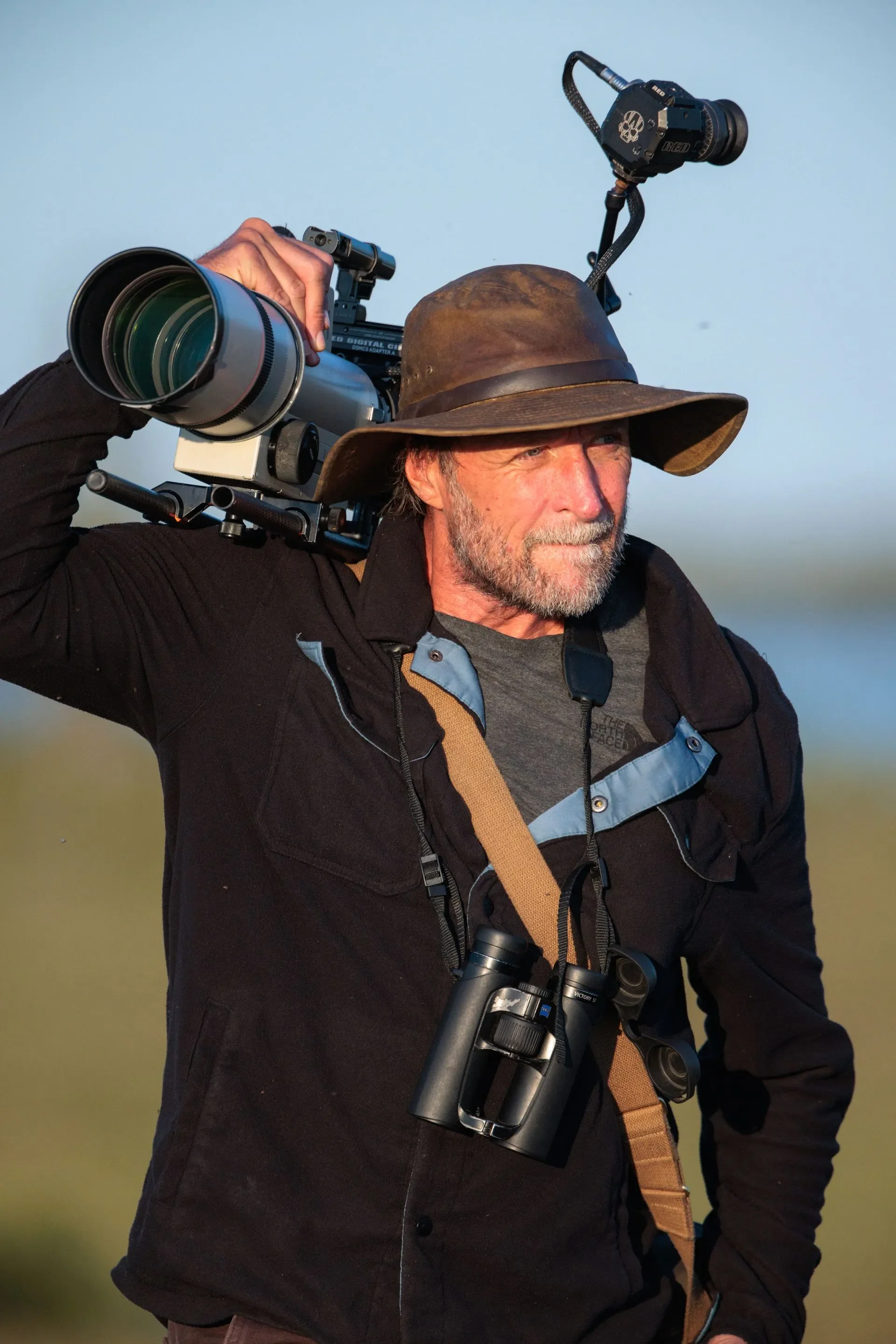
Matt Aeberhard of the world’s leading wildlife filmmakers and an Emmy nominated and award-winning wildlife cinematographer / Director of Photography. Described in a recent BBC article as a “cool veteran” he has spent his professional life working in our planet’s most remote and wild places.
-
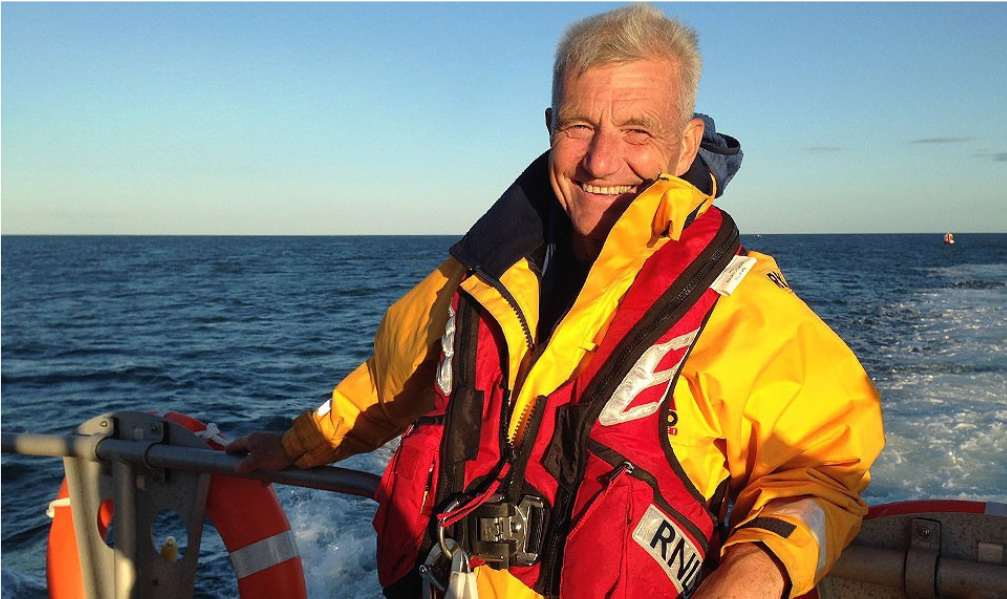
Paul Rose has spent a lifetime working in support of science in the most remote and challenging areas of the planet. He is one of the most accomplished science divers, polar explorers and expedition leaders. Head of Expeditions for National Geographic Pristine Seas, he was previously Base Commander of Rothera Research Station, Antarctica, for the British Antarctic Survey, for ten years, and was awarded the Queen’s Polar Medal. He has presented 22 BBC television documentaries. For his work with NASA and the Mars Lander project on Mt. Erebus, Antarctica, he received the US Polar Medal. A mountain has been named after him in Antarctica. Former Vice President of the Royal Geographical Society, he was awarded the Founder’s Medal and Ness Award. He is an ambassador for the United Nations Basel, Rotterdam and Stockholm Conventions, aiming to protect human health and the environment from hazardous chemicals and wastes.
-
Tim Kelly is Executive Director of Earth HQ, the media arm of the Global Commons Alliance. Previously, he was a media executive, Emmy Award-winning film producer, and former President of the National Geographic Society. He also serves as Co-founder of Planet3, a game-based EdTech climate solutions platform. In addition, Tim serves on the US Board of IUCN, the Board of the African wilderness reserve Great Plains Conservation Trust, and on the Board of the environmental science journalism organization, Mongabay.org, and on the Board of the American Prairie Reserve helping to build a 3M acre wilderness reserve in Eastern Montana.
-
Item description
FAQ
-
This course is for anyone under 28 who wants to tell stories about nature, the things that matter to them, or the work that's genuinely making a difference in the world.
If you're curious, willing to learn, and ready to put in real effort to make great videos and share that with others, this is for you.
-
No, you don't. But what you do need is a genuine willingness to pay attention, keep learning, and put in the time to really get something out of this program. That part matters.
-
Each module is one to two hours long and led by an expert in their field. People from National Geographic, filmmakers, Emmy nominees. People who are actually out there doing it.
Every week you'll get two assignments. One is specific to what you learned that week, and one ties into your final project. We focus a lot on learning by doing.
-
It runs over about two months. Six live online sessions with experts, and then a final presentation where you get to show everything you've been working on.
After that, it becomes a lifelong thing. You keep exploring, keep creating, and keep sharing the stories that mean something to you.
-
The course is completely free! Our belief is that the best storytellers shouldn't be the ones who can afford it, they should be the ones with something real to say. So we keep it free for every participant.
-
That's the whole idea. We want you to show what you love, put your perspective out there, and have the kind of influence you deserve. Your stories can genuinely help shape the conversation, and we want to help make that happen.